Safeguard Your Home: Critical Services Delivered by Qualified Electricians
Certified electricians offer vital services that strengthen residential safety. They address common electrical problems and perform routine inspections to uncover existing risks. These professionals guarantee that electrical installations comply with safety codes while also suggesting improvements to aging systems. Being aware of these important services can prevent emergencies and protect property value. Homeowners may wonder what exact concerns electricians handle and how to choose the best professional for their situation.
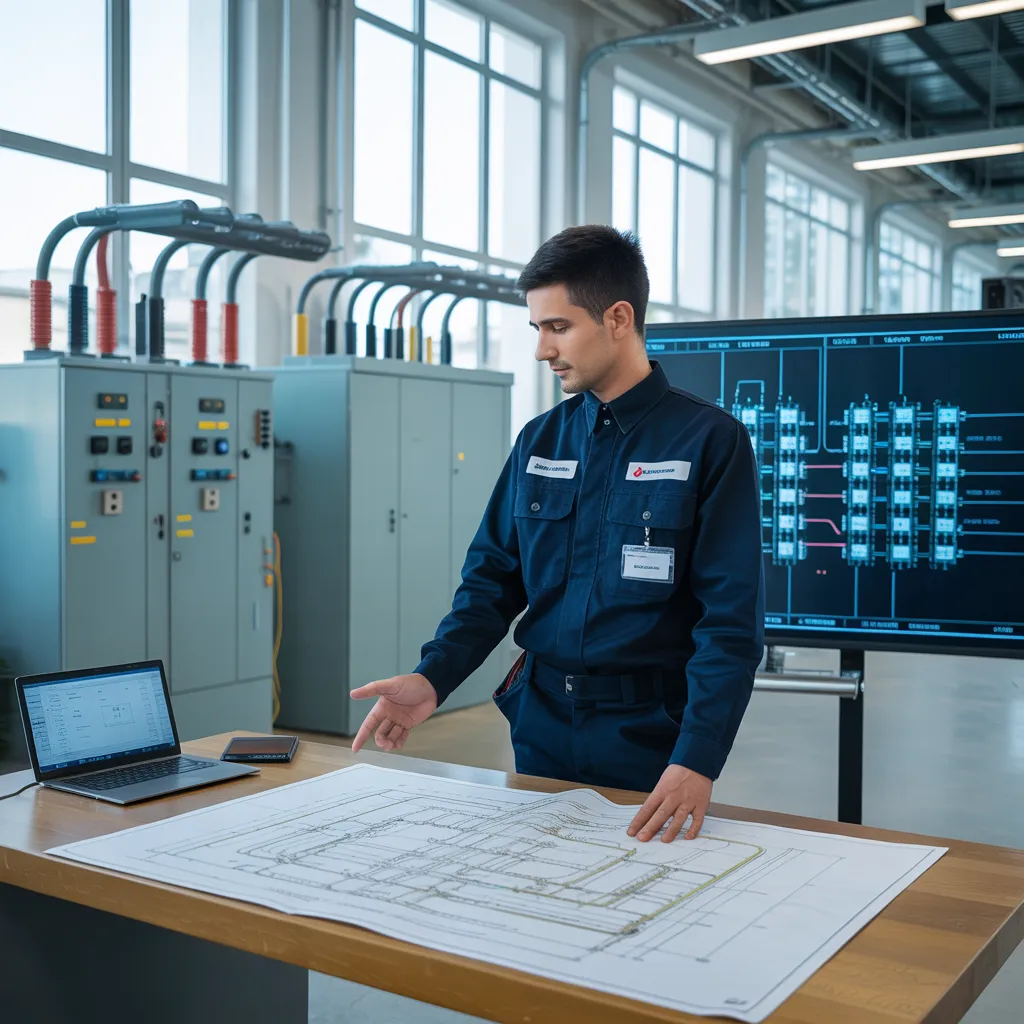
Common Electrical Problems and How to Fix Them
Electrical faults can disrupt daily life, making it essential to recognize common problems and their solutions. Lights that flicker, for instance, commonly stem from unsecured bulbs or damaged wiring. Tightening connections or replacing bulbs can resolve this issue. Circuit overloads, identified by repeated breaker trips, can be remedied by reallocating appliances to separate circuits or enhancing the electrical panel.
Another common issue involves outlets that stop functioning, which may stem from tripped breakers or damaged wiring. Evaluating the breaker and reviewing the outlet can aid in pinpointing the issue. Furthermore, ground fault circuit interrupters (GFCIs) might trip without warning because of moisture or malfunctioning devices; resetting the GFCI or swapping out faulty devices can bring back full functionality. Recognizing these common electrical problems enables homeowners to address issues promptly, guaranteeing safety and effectiveness throughout their homes.
The Significance of Routine Electrical Inspections
Although many homeowners may overlook the importance of scheduled electrical evaluations, such evaluations are critical for maintaining safety and efficiency in any property. Regular inspections identify common dangers including deteriorating wiring, obsolete systems, and overwhelmed circuits, potentially causing fire hazards or critical equipment breakdowns. By resolving these concerns in advance, homeowners can prevent expensive repairs and guarantee compliance with safety regulations.
Furthermore, inspections are instrumental in uncovering energy-related inefficiencies, enabling corrective measures that result in lower utility bills. Licensed electricians possess the expertise to detect minor indicators of deterioration that may go unnoticed by the average homeowner. In addition, scheduled inspections commonly improve the durability of electrical components and appliances, positively impacting the property's worth. At the core of it all, scheduling consistent electrical inspections serves as a critical step in preserving both the inhabitants and the integrity of the home.
The Role of Inspections in Achieving Safe Installations
Periodic electrical inspections play an essential role in guaranteeing that installations are performed safely and efficiently. These evaluations permit qualified electricians to examine existing wiring, outlets, and fixtures, identifying potential hazards or code violations before new installations commence. By assessing the general state of the electrical system, electricians can tackle concerns such as aging wiring or improper grounding, which could potentially jeopardize safety.
In addition, inspections offer a chance to confirm that every component adheres to current safety regulations. This proactive measure not only enhances the safety of the installation process but also protects homeowners from future electrical failures or hazards. Certified electricians apply their knowledge to suggest essential upgrades or adjustments, making certain that all installations comply with established best practices. Ultimately, consistent inspections promote a safer home environment, providing homeowners with greater peace of mind while minimizing the likelihood of electrical fires or failures down the line.
Improve Your Electrical Panel for Enhanced Safety
Replacing a home electrical panel is a vital step in strengthening safety within a home. A dated panel can present significant risks, including electrical fires and equipment damage. Professional electricians endorse this upgrade to support current electrical needs and guarantee dependable power delivery.
Newer panels come equipped with advanced safety features, such as circuit breakers that quickly cut off electrical current when overloads or faults occur. This minimizes the risk of overheating and potential hazards. Furthermore, an upgrade frequently enables the addition of more circuits, supporting the growing number of electronic devices found in modern homes.
Homeowners might experience flickering lights, frequent circuit breaker trips, or a burning smell, all signs that an upgrade may be necessary. Speaking with a qualified electrician can offer guidance on whether an electrical panel upgrade is needed, creating a more secure living space while accommodating the needs of today's electrical demands.
How to Handle an Electrical Emergency
Electrical incidents can emerge at any moment, often emphasizing the significance of a adequately serviced electrical panel. In such situations, swift action is necessary to secure safety. Initially, those present should stay composed and assess the situation. If there is smoke or flames, leaving the building and contacting emergency services should be the priority. For electric shock incidents, it is important not to make direct contact with the victim and instead use a non-conductive object to separate them from the source of electricity.
Should a power outage happen, inspecting the circuit breaker is a wise measure prior to reaching out to a licensed electrician. In cases of unusual odors or buzzing sounds from outlets, it is critical to disconnect appliances and cease using them until a qualified expert can evaluate the system. Ultimately, maintaining copyright information for a licensed electrician within reach can facilitate swift action in critical moments, securing safety and limiting possible damage.
How to Select the Best Licensed Electrician
How does one make certain they are hiring the most suitable licensed electrician for their requirements? To begin, confirming the electrician's license and insurance is critical to ensure adherence to local regulations. Next, seeking recommendations from friends, family, or online reviews can provide insights into the electrician's reliability and quality of work.
In addition, one should ask about the electrical contractor's specialization and experience, as certain contractors prioritize household wiring while others have greater expertise in commercial installations. Requesting a complete pricing estimate, encompassing the cost of labor and materials, assists in evaluating expenses and preventing unforeseen charges.
In addition, assessing communication skills is crucial; a skilled electrician should clearly explain issues and respond to questions with patience. Finally, verifying warranties on completed work can reflect a pledge to excellence. By taking these factors into account, homeowners can make informed decisions, guaranteeing safety and satisfaction with their selected electrician.
Frequently Asked Questions
What Credentials Should I Seek in a Licensed Electrician?
When searching for a certified electrician, it is essential to prioritize key criteria such as proper licensing, applicable certifications, extensive experience, favorable customer reviews, and adherence to safety regulations, ensuring both competency and reliability in electrical projects.
What Is the Typical Cost of Electrical Services?
Electrical work is generally priced between $50 and $100 hourly, according to the scope of the project and the electrician's background. Additional fees may apply for equipment, required permits, or after-hours read more emergency calls.
Do Warranties Exist for Electrical Work?
Many certified electrical contractors offer workmanship guarantees for their electrical work, commonly covering labor and materials for a defined period. This ensures customer satisfaction and provides peace of mind with respect to the longevity and quality of the electrical solutions carried out.
Can I Complete Electrical Work on My Own?
Although some people may try to handle electrical work on their own, it is usually not a wise decision. Professional electricians have the skills and understanding required to ensure safety and adherence to regulations, limiting the chances of mishaps and potential safety risks.
How Often Should I Schedule Electrical Inspections?
Homeowners should schedule electrical inspections every three to five years, or more often if issues are present. Routine evaluations can detect potential hazards, ensuring protection and adherence with modern electrical safety standards and codes.